Dental Emergency Aurora Care for Loose Crowns and Temporary Repairs
@collinmvxj273
November 17, 2026 · 15 min read
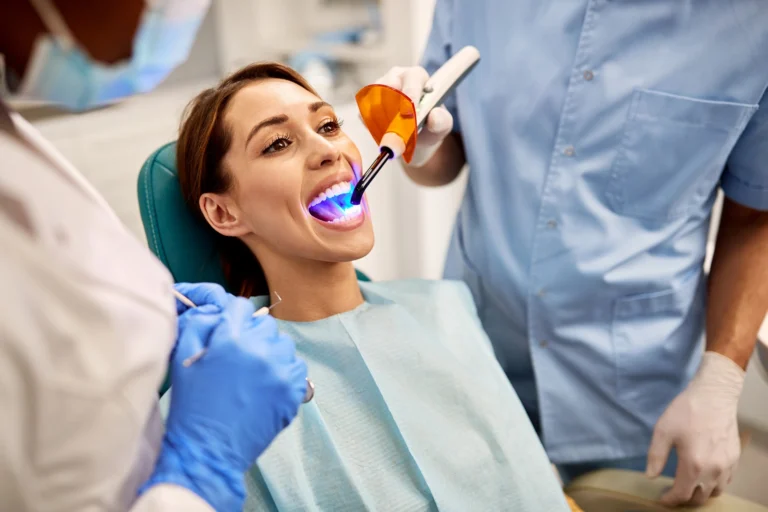
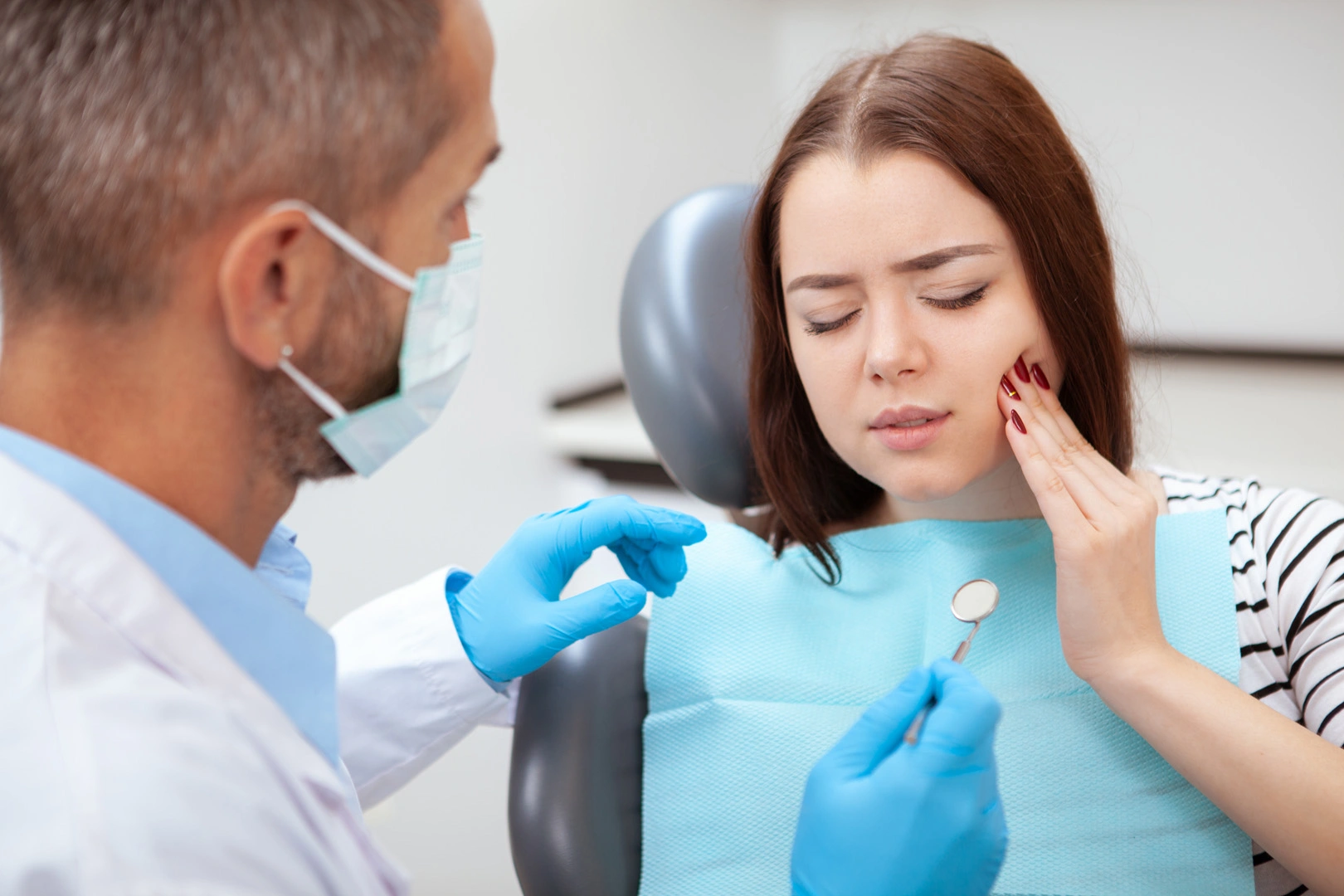

A loose crown rarely happens at a convenient time. It shows up during lunch, while flossing before bed, or halfway through a workday when you are speaking to clients and suddenly feel a familiar tooth shift under pressure. For many patients, the first reaction is confusion. The crown may not hurt much, so it is easy to wonder whether it can wait. In practice, that answer depends on what is happening under the crown, how unstable it is, and whether the underlying tooth is now exposed.
In a busy office, loose crowns are one of the most common reasons people seek same-day help. They often fall into a gray area. The situation may not look dramatic from the outside, but it can turn into a real problem if the crown is swallowed, the tooth cracks, or bacteria reach the tooth structure and trigger pain. That is why prompt Dental Emergency Aurora care matters. A crown is not just a cap for appearance. It protects a tooth that has usually already lost a meaningful amount of natural structure.
What makes these cases tricky is that the crown itself may still be usable, or it may be distorted, contaminated, or damaged beyond a simple recementation. The tooth underneath may be intact, decayed, fractured, or carrying a failing core build-up. The right response depends on details that patients cannot always see at home. Still, there are a few practical things you can do right away to protect the tooth and improve the odds of a straightforward repair.
What a loose crown usually means
A crown can loosen for several reasons. Sometimes the cement simply washes out over time. This is more common with older crowns and with teeth that are exposed to heavy chewing pressure. Other times, the problem is not the cement at all. The tooth under the crown may have developed new decay around the margin. A filling or build-up under the crown may have broken down. The crown may also loosen because the bite has changed, the crown was never fitting ideally, or the tooth has cracked.
Patients often say, “It just came off out of nowhere.” From their point of view, that is true. From a clinical point of view, there is usually a cause. Crowns do not typically detach from a healthy, well-fitting tooth without some contributing factor. Even when a crown can be put back temporarily, the question remains: why did it come loose in the first place?
That is the part many people miss. Reattaching a crown is not always the same thing as solving the problem. A temporary repair can buy time, but it should not replace a proper exam, especially if the crown has come off more than once.
Why speed matters more than people think
A loose crown can feel minor if there is no sharp pain. Yet the tooth beneath it may be vulnerable in ways that are not obvious. Crowned teeth are often structurally compromised teeth. They may have large old fillings, prior root canals, or thin remaining walls. Once the crown shifts, that tooth loses protection exactly when it needs it most.
There is also the issue of tooth movement. Teeth can drift surprisingly quickly, especially when a crown is completely off. Even subtle movement can make a well-made crown stop fitting. A patient who waits a week or two may discover that the original crown can no longer be reseated, not because the crown is damaged, but because the tooth or neighboring teeth have shifted enough to interfere with fit.
I have seen this happen after vacations, holiday weekends, and periods when people “just tried to be careful” and chew on the other side. They did their best, but the crown no longer seated fully by the time they came in. That turns a simple recementation into an impression, a provisional, and the cost of a new restoration.
Pain is another variable. A crown can come loose on a vital tooth and expose dentin, which is much more sensitive to temperature and pressure than patients expect. Cold water can suddenly feel electric. Air passing over the tooth can sting. If the tooth has a crack or active decay, symptoms can escalate quickly.
The first few hours at home
If your crown is loose but still attached, resist the urge to keep testing it with your tongue or by biting down. Every little movement can irritate the tooth and distort the inside of the crown. If it has already come off completely, retrieve it if possible and rinse it gently with water. Do not scrub aggressively and do not wrap it in tissue where it can be thrown away by mistake. A small clean container is a better choice.
The short-term goal is simple: protect the tooth, protect the crown, and avoid making the fit worse. Most patients can manage that with a calm, conservative approach.
Here is the home-care sequence I usually recommend until you can be seen:
- Remove the crown if it is dangling or unstable enough to pose a swallowing risk.
- Rinse your mouth gently with lukewarm water and clean the crown without forcing anything into it.
- Avoid sticky foods, hard foods, and chewing on that side.
- If the exposed tooth is sensitive, cover it only with a product intended for temporary dental use, and only if it slips on without force.
- Call for prompt Dental Emergency Aurora care, ideally the same day or next day.
That last point deserves emphasis. Home measures are temporary by design. They are there to reduce risk, not to replace treatment.
When a temporary repair makes sense, and when it does not
Patients often ask whether they should try over-the-counter dental cement. Sometimes that is reasonable. Sometimes it is a bad idea. The difference depends on fit, symptoms, and stability.
If the crown is intact, the tooth is not severely painful, and the crown seats passively in the correct orientation, a temporary material may help protect the tooth for a short period. “Passively” matters. If the crown needs to be pushed, twisted, or bitten into place, stop. A crown that does not seat easily may have debris inside it, a distorted margin, a changed tooth surface, or a fragment of tooth still stuck in the crown. Forcing it can fracture the tooth or lock the crown in the wrong position.
A temporary repair is usually not appropriate if the crown came off with a chunk of tooth attached, if the tooth is throbbing, if the area is swollen, or if the crown will not sit correctly. It is also unwise if the crown margin feels jagged or if you notice a bad odor or soft material inside, which can suggest decay or breakdown under the restoration.
One common mistake is using household glue. It happens more than you would think. Super glue, craft glue, and hardware adhesives do not belong in the mouth. They can irritate tissue, contaminate the restoration, and make professional recementation much harder. Dentists sometimes have to spend valuable chair time removing residues that should never have been there.
Another mistake is sleeping with a very loose crown still perched on the tooth. It can dislodge overnight and be swallowed or aspirated. If the crown is not stable, store it safely and keep the tooth protected until you can come in.
What a dentist looks for during an emergency visit
When someone comes in for a loose crown appointment, the visible problem is only the starting point. The exam focuses on the crown, the tooth underneath, the gumline, the bite, and any signs of fracture or decay.
A crown that simply lost retention may be cleaned and recemented if the margins are sound and the fit remains precise. That is the best-case scenario. It is quick, conservative, and usually the least expensive path.
But there are several other possibilities. The inside of the crown may be intact while the core build-up on the tooth has failed. In that case, the crown may not have enough structure to hold onto anymore. The tooth may need a new build-up, and sometimes a new crown. If the remaining tooth walls are too weak, a post may be considered in some root canal treated teeth, though not every case benefits from one.
Decay at the margin changes the plan as well. If the decay is shallow and accessible, the tooth may be cleaned up and rebuilt. If the decay extends deep under the gumline, the options become more complex. At that point the discussion may involve crown lengthening, orthodontic extrusion in select cases, or whether the tooth is even restorable.
Bite also plays a larger role than many patients realize. A crown can loosen because it has been taking a disproportionate amount of force. I have seen patients with one repeatedly loose crown that turned out to be the first point of contact every time they closed. Recementing alone would have failed again. Small bite adjustments can make the difference between a durable result and a return visit in two months.
The difference between a loose crown and a failed tooth
Patients tend to think in binary terms. Either the crown is on, or it is off. Clinically, the real question is whether the tooth itself remains sound enough to support a restoration.
That distinction matters because crowns often fail secondarily to deeper issues. A tooth can fracture vertically under a crown and still look surprisingly normal at first glance. A crowned tooth can also develop recurrent decay for years with minimal symptoms. By the time the crown loosens, the underlying support may already be significantly compromised.
This is where experience and judgment matter. Two loose crowns can look similar to the patient and require completely different treatment. One may be cleaned, recemented, and monitored. The other may need a new crown, root canal treatment, or extraction if the fracture extends beyond repair.
People are sometimes frustrated by that uncertainty. They come in expecting “just glue it back on.” Sometimes that is exactly what happens. Sometimes the crown coming off is the first visible sign that the foundation has changed. A careful exam is what tells those stories apart.
Dental Emergency AuroraTemporary materials are useful, but they have limits
Over-the-counter temporary cement exists for a reason. It can relieve sensitivity, improve function, and help keep a crown in place for a brief period. But these products are soft compared with definitive cements used in the office. They wash aspenwooddental.com Dental Emergency Aurora out more easily, hold less predictably, and do not correct problems with fit or hidden decay.
They also create a false sense of security. A patient who gets a crown to stay in for a week may assume the emergency has passed. Meanwhile, the crown may be leaking around the margins, trapping food, and placing pressure on a tooth that is not seating properly. Temporary retention should be treated as a short bridge to professional care, not as a home fix that can ride for months.
There is another practical issue. Some patients reinsert a crown with temporary material and then chew normally. That is a gamble. Even when a crown feels stable, temporary cement does not restore the original mechanical integrity of the restoration. Sticky bread, chewy candy, nuts, or crusty pizza can dislodge it again with very little warning.
Signs the situation is more urgent
Not every loose crown is a middle-of-the-night emergency, but some situations should move to the front of the line. The biggest concerns are infection, severe pain, airway risk, and structural damage to the tooth.
Seek urgent care sooner if you notice any of the following:
- Swelling of the gum, face, or jaw.
- Throbbing pain that does not settle, or pain that keeps you from sleeping.
- A crown that came off with part of the tooth attached.
- Trouble swallowing, trouble breathing, or concern that the crown was inhaled.
- Bleeding, pus, fever, or a bad taste that suggests infection.
Those are the cases where same-day evaluation is important. Even if the immediate fix is temporary, the goal is to prevent the problem from turning into a larger one.
What treatment may look like in the chair
A straightforward recementation appointment can be quite simple. The tooth and crown are evaluated, old cement is removed, the fit is checked, the area is isolated, and a new luting cement is placed. If the crown seats fully and the bite is balanced, many patients walk out relieved and back to normal with just a few instructions about what to avoid for the next day.
More involved cases take longer. If the tooth needs to be rebuilt, the dentist may remove decay, place bonding and core material, then determine whether the old crown can be reused. Sometimes the old crown fits beautifully after the build-up is corrected. Sometimes the contours or margins no longer match and a new crown is the safer choice.
A provisional crown may be used if a new final crown is needed. Patients sometimes underestimate how important the provisional phase is. A good temporary crown protects the tooth, helps maintain gum shape, and keeps neighboring teeth from drifting. When done well, it is not just a placeholder. It preserves the conditions needed for a successful final result.
If the tooth is cracked or symptomatic, additional testing may be necessary. Cold testing, percussion, bite tests, and radiographs help clarify whether the nerve is inflamed or whether a fracture extends deeper than expected. This is why a loose crown visit can range from ten quiet minutes to a more involved diagnostic and restorative appointment.
The cost of waiting too long
The practical consequences of delay are easy to understand once you have seen enough of these cases. A crown that could have been recemented becomes a new crown. A new crown becomes a crown plus root canal. A restorable tooth becomes a questionable tooth. And sometimes a questionable tooth becomes an extraction and implant conversation.
That progression does not happen every time, but it happens often enough that dentists mention it for good reason. The cost difference between early and late care can be substantial, not just financially, but biologically. Preserving natural tooth structure is almost always easier when the problem is addressed quickly.
I remember one patient who kept a loose molar crown in a plastic bag for nearly three weeks because it “didn’t really hurt.” By the time he came in, the tooth had shifted, decay had softened the exposed margin, and the old crown no longer seated. What began as a simple cementation became a new crown with additional build-up work. He was not careless, just busy and hoping it would stay manageable. That is a common story.
How to lower the odds of it happening again
Crowns do not last forever, but many last well for years with good habits and regular maintenance. Prevention is not glamorous, yet it matters. Flossing around crowned teeth helps reduce recurrent decay at the margin. Night guards matter for clenchers and grinders, especially when posterior crowns keep coming loose or chipping. Regular checkups catch leaking margins and bite issues before they become emergencies.
Food choices also play a role. The usual culprits are not always candy. Dense bagels, caramel, chewing ice, and hard nuts create plenty of crown emergencies. Patients who say, “It came off while I was eating something soft,” often forget that the crown had probably been weakening for some time. The food was just the final test it failed.
If you have a crown that has loosened before, mention that history clearly at your next visit. Recurrent loss of retention is a clue. It may point to grinding, poor path of insertion, inadequate tooth height, moisture contamination during a prior cementation, or a bite pattern that keeps overloading the restoration. Repeating the same repair without addressing the reason rarely gives a lasting result.
A practical way to think about loose crowns
The most useful mindset is this: a loose crown is usually manageable, but it is never something to ignore. It sits in that category of dental problems that can stay simple or become complicated depending on timing and the condition of the tooth underneath.
If the crown is still intact and the tooth has not fractured, quick care often leads to a conservative fix. If there is pain, swelling, a poor fit, or visible tooth damage, the case deserves more urgency and a more careful workup. Temporary repairs have value, but only as short-term protection while you arrange proper treatment.
For patients searching for Dental Emergency Aurora support, the goal is not just to get the crown back on for the day. The goal is to preserve the tooth, restore a stable seal, and make sure the restoration is still doing the job it was designed to do. That may mean a simple recementation. It may mean a deeper repair. Either way, prompt attention gives you the best chance of keeping the problem contained.
Aspenwood Dental Associates and Colorado Dental Implant Center
2900 S Peoria St Ste C, Aurora, CO 80014, United States
+1 303-731-4037
FAQ About Dental Emergency Aurora
What qualifies as a dental emergency?
A dental emergency is any oral injury or condition that involves severe pain, uncontrolled bleeding, or a potential infection that puts a tooth or your overall health at risk.
Can the ER do anything for a tooth?
AI Overview An emergency room (ER) cannot fix or pull a tooth, perform root canals, or provide long-term dental care, because most ERs do not have dentists on staff.
What is the 3-3-3 rule for tooth infection?
The 3-3-3 rule for a tooth infection or severe toothache is a short-term over-the-counter pain management strategy. It involves taking 600 mg of ibuprofen (typically three 200 mg tablets) 3 times a day for no more than 3 days.