The Cost of Dental Emergency Aurora Care and What to Expect
@collinmvxj273
November 17, 2026 · 15 min read
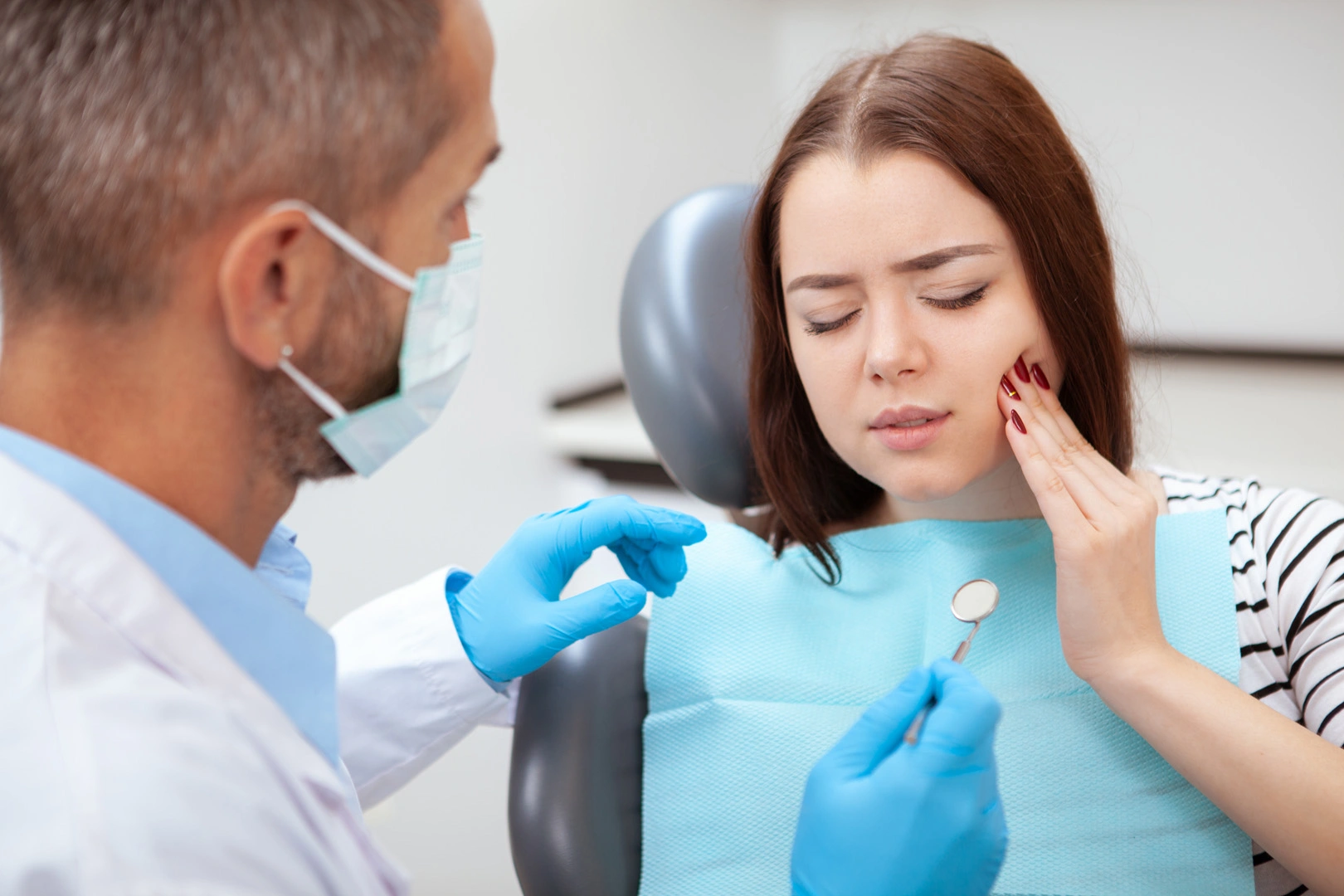

A dental emergency rarely arrives at a convenient time. It tends to happen during dinner, after a weekend game, in the middle of a workday, or just before bed when every office seems closed. The pain can be sharp and immediate, or it can build slowly until chewing, talking, and even concentrating become difficult. Once that happens, most people have two urgent questions. How much is this going to cost, and what happens when I get there?
If you are searching for Dental Emergency Aurora care, those are reasonable concerns. Emergency treatment can feel financially unpredictable because the final bill depends on the type of problem, the time of day, whether imaging is needed, and what can realistically be done in one visit. A chipped tooth may be straightforward. A swelling caused by an infection is a different situation entirely. The difference matters, both medically and financially.
What follows is a practical look at how emergency dental costs are usually structured, what you can expect when you arrive, and how to make sound decisions when you are in pain and under pressure.
Why emergency dental costs vary so much
People often expect a single “emergency fee,” but dental emergencies are not one-size-fits-all. In most practices, the first part of the visit is the emergency exam. That covers the dentist’s evaluation of the problem, a review of symptoms, a visual exam, and often one or more X-rays. The purpose is to identify what is causing the pain and whether the issue can be stabilized immediately.
That first visit may be relatively modest if the problem is minor. In many communities, an emergency exam might fall somewhere in the range of about $75 to $200, depending on the office, the imaging required, and whether the practice is open during standard business hours or after-hours. X-rays can add to that. A simple periapical or bitewing image costs less than a full series, but emergency cases often need targeted imaging rather than a complete set.
Where costs rise is in the treatment itself. Pain is a symptom, not a diagnosis. If the dentist finds a deep cavity, a cracked filling, exposed nerve tissue, an abscess, or trauma to the root, the treatment path changes. Some patients need a filling. Some need a crown after the emergency phase. Others need a root canal, extraction, drainage of infection, or temporary stabilization until a specialist can take over.
That is why one patient might walk out after an exam and smoothing of a chipped edge with a relatively low bill, while another might need several hundred or several thousand dollars of treatment spread across one or more visits.
The most common emergency problems and their typical cost range
A useful way to think about emergency dentistry is to separate the immediate visit from the complete solution. The first goal is usually to stop pain, control infection, and prevent further damage. Sometimes that is also the final treatment. Sometimes it is only the first step.
A broken filling or lost crown is one of the more common reasons patients seek emergency care. If the tooth underneath is healthy and the issue is mainly structural, the dentist may be able to re-cement the crown or place a temporary restoration. That can be far less expensive than treating a tooth with decay or fracture beneath the surface. Re-cementing may cost a modest amount, while a new crown, if needed, can move into a much higher range.
A severe toothache is often more complicated. Tooth pain can come from decay, infection, a cracked tooth, grinding-related trauma, gum disease, or even referred pain from the sinuses or jaw. If the source is a deep cavity or infected pulp, the emergency visit may include medication, a sedative filling, or opening the tooth to relieve pressure. The definitive treatment might be a root canal, crown, or extraction. Root canals vary by tooth. Front teeth usually cost less than molars because molars have more canals and more difficult anatomy.
A knocked-out tooth changes the conversation entirely because timing becomes critical. If an adult tooth is avulsed, meaning completely out of the socket, the best chance of saving it often depends on how quickly it is replanted. The emergency fee then reflects not only evaluation and imaging but also reimplantation, stabilization, and follow-up care. Even when the tooth is saved in the short term, later treatment may still be needed.
Swelling from infection can be among the most urgent situations. When a patient presents with facial swelling, difficulty swallowing, fever, or swelling that spreads under the jaw or toward the eye, this may go beyond a standard dental problem. Some infections can threaten the airway or spread systemically. In those cases, the safest setting may be a hospital or oral surgery referral rather than routine office treatment. The cost then depends on a different level of care, and the priority becomes safety, not convenience.
The charges you are most likely to see
Most emergency dental bills are built from a handful of components rather than one blanket price. Understanding those parts helps reduce the shock when treatment is presented.
- Emergency exam or limited evaluation
- Diagnostic X-rays or other imaging
- Immediate pain-relief or stabilization treatment
- Medication, if prescribed, though prescriptions are often filled separately
- Follow-up or definitive treatment such as a filling, root canal, crown, or extraction
That list looks simple, but the treatment line is where decisions matter. A dentist may offer a lower-cost option to stabilize the tooth now and defer definitive work, or may recommend full treatment immediately if waiting is likely to worsen the prognosis. Neither approach is automatically right or wrong. The better choice depends on the condition of the tooth, your symptoms, your schedule, and your budget.
What usually happens when you arrive
An emergency dental visit often moves faster than a routine cleaning, but it should still be methodical. A good office will gather a brief medical history, ask what happened, and clarify the symptoms. Pain with biting tells a different story than pain to cold, spontaneous throbbing, or lingering sensitivity after hot drinks. Swelling, bad taste, fever, and inability to sleep are all clues.
The dentist then examines the area, checks for visible fracture, decay, gum issues, mobility, and signs of infection, and takes X-rays if needed. In trauma cases, they may also assess the bite and adjacent teeth. If the cause is obvious, you may get treatment right away. If the picture is mixed, the dentist may explain a few possible causes and recommend the least invasive way to confirm the diagnosis.
Patients are often surprised by how much of emergency care depends on diagnosis rather than speed. Pain can be misleading. A person may point to one tooth when the source is the tooth behind it, or even a cracked tooth on the opposite arch causing referred pain. Treating the wrong tooth helps no one, and experienced emergency dentists are careful about that.
Once the diagnosis is clearer, the office should explain what they can do today, what can wait, and what each option is likely to cost. This is the point where it helps to ask direct questions: Is this a temporary fix or Dental Emergency Aurora definitive treatment? If I only do the urgent part today, what is likely to come next? What happens if I wait a week? Those questions often reveal more value than simply asking for the cheapest option.
Insurance, financing, and out-of-pocket surprises
Dental insurance can soften emergency costs, but it rarely removes them completely. Most plans help with exams and X-rays, and many cover a portion of basic or major procedures depending on the plan’s structure. The catch is that annual maximums, deductibles, waiting periods, and frequency limitations still apply. A patient may have coverage for a filling but not yet for a crown. Another may have already used much of the annual maximum on routine work earlier in the year.
This is where confusion often starts. Patients hear that something is “covered,” then find out the plan covers only a percentage after the deductible, or only up to an allowable amount. If the office is out of network, your out-of-pocket share may be higher. If it is after-hours care, the office may require payment at the time of service even if it submits the claim for you.
Many practices that handle Dental Emergency Aurora cases understand this pressure and offer payment plans through third-party financing, split payments for larger procedures, or a staged treatment approach. For someone in acute pain, being able to pay for Dental Emergency Aurora the exam and urgent stabilization now, then schedule definitive work within days, can make treatment manageable.
Still, it is wise to remember that financing helps with cash flow, not total cost. If a tooth can be saved predictably with a root canal and crown, that may be more expensive up front than extraction, but less costly long-term than removing it and later replacing it with an implant or bridge. The cheapest same-day choice can become the most expensive five years later.
The difference between temporary relief and definitive treatment
One of the biggest misunderstandings in emergency dentistry is the idea that pain relief equals completion. Sometimes it does. Often it does not.
A patient with a jagged chipped edge may have it polished smooth, feel immediate relief, and be done. A patient with a lost filling may receive a temporary filling and feel fine for a few weeks, but the decay or fracture underneath may still require more substantial care. A patient with an abscess may receive drainage and medication, but that does not eliminate the source inside the tooth or under the gum. Without definitive treatment, the infection can return.
This matters for budgeting. If the office tells you that today’s treatment is palliative, they mean it is intended to relieve symptoms or stabilize the situation, not fully resolve it. That is not a sales tactic. It is a clinical distinction. Experienced dentists would rather be honest about that than imply a temporary measure is a permanent answer.
In practice, the right approach depends on the tooth and the patient’s circumstances. If someone is traveling, has an unavoidable work deadline, or cannot tolerate a long procedure that day, a short-term measure may be entirely appropriate. The key is understanding what remains unfinished.
When emergency care becomes medically urgent
Not every dental problem is a true emergency, but some are. Severe swelling, uncontrolled bleeding, facial trauma, difficulty breathing, difficulty swallowing, fever with swelling, or injury involving the jaw should not be brushed off as routine tooth problems. In those situations, time matters more than price shopping.
A good emergency dental office will tell you if the safest place for you is a hospital emergency department or oral surgery setting. That can feel frustrating when you hoped for a quick dental visit, but it reflects sound judgment. Dental infections in confined spaces of the face can spread. Trauma can involve bone, soft tissue, or airway concerns beyond the scope of a standard office.
From a cost perspective, higher-acuity care is more expensive. From a health perspective, delaying it can be far more expensive. This is one of those areas where trying to save money first can backfire badly.
How to prepare before you leave for the appointment
When pain spikes, people rush out the door and forget practical details that could save time and stress. A few small steps can make the visit smoother and may even improve the outcome, especially with trauma cases.
- Bring your photo ID, insurance card, and a list of medications
- If a tooth was knocked out, keep it moist in milk or saline and handle it by the crown, not the root
- Note when the pain started and what makes it worse or better
- Avoid placing aspirin directly on the gums, which can burn tissue
- Call ahead if swelling is severe, bleeding is heavy, or you think you may need sedation
That last point is more important than many people realize. If an office knows you are coming in with swelling or trauma, it can prepare the room, arrange imaging, and tell you whether to come there or go elsewhere. That can shave valuable time off your care.
The hidden cost of waiting
People often delay emergency dentistry because they hope the pain will settle down or because they are worried about money. Both reactions are understandable. Neither changes the underlying biology.
A small crack can deepen. A cavity that might have needed a filling can progress to a root canal. A tooth that could have been restored can fracture beyond saving. An infection can spread from being localized and manageable to causing facial swelling and time away from work. The cost difference between early intervention and delayed treatment is often significant.
I have seen this pattern repeatedly in real clinical settings. Someone loses a filling on a Thursday, manages with over-the-counter pain medication through the weekend, and arrives Monday with far more damage because the exposed tooth fractured while chewing. Another patient notices intermittent pressure around a back molar but waits until the side of the face swells. The initial issue might have been treatable with a straightforward procedure. By the time they seek care, the treatment plan is more involved, more expensive, and less predictable.
There is also the hidden productivity cost. Dental pain affects sleep, concentration, patience, and appetite. Parents miss work. Students struggle to focus. People avoid eating on one side and develop headaches from clenching. Those costs do not show up on the dental bill, but they are real.
What makes one emergency office more expensive than another
Price differences between practices do not always reflect overcharging. Several factors can legitimately affect fees. Office location matters. Extended evening or weekend availability matters. So does the technology on hand, whether the office can provide same-day treatment, and whether a specialist is available in-house or on call.
An office that can evaluate, image, and perform a procedure in one visit may charge more than a practice that only offers triage and then refers out. On paper, the lower exam fee looks attractive. In reality, if you then pay another office for additional imaging and treatment, the total cost may end up higher. Convenience, speed, and continuity have value, especially when you are in pain.
The more important question is not whether one practice is the cheapest. It is whether the diagnosis is clear, the treatment recommendation makes sense, the fees are explained up front, and the office can manage the problem safely.
Questions worth asking before treatment starts
Cost conversations are easier when they happen before numbness, drilling, or paperwork fatigue set in. A reputable office should be able to explain the immediate need and what charges apply that day. If more than one treatment path exists, ask what each one means for the prognosis of the tooth.
For example, if you are told the tooth may need either root canal therapy and a crown or extraction, it is reasonable to ask about the long-term trade-offs. Saving a tooth often preserves bite function and avoids future replacement costs. Extraction may cost less initially, but if that tooth matters for chewing or prevents shifting, replacement may eventually become part of the financial picture.
Ask whether the estimate includes only today’s work or the full likely treatment plan. Patients frequently mistake a same-day estimate for the entire case, especially when they are stressed. Clear wording helps. “Today we can relieve pain and place a temporary filling” is not the same as “Today completes the treatment.”
What a fair emergency dental experience should feel like
An emergency visit is never pleasant, but it should feel organized and transparent. You should be told what the dentist sees, what is certain, what is still uncertain, and why a particular step is recommended. Costs should not be treated like a mystery. If the office does not yet know whether the tooth is restorable, it may not be able to promise an exact final total, but it should still be able to explain the likely scenarios and ranges.
Good emergency care also respects urgency without exploiting it. Pain makes people vulnerable. A professional office will not pressure you into unrelated cosmetic work or bury the urgent problem inside a vague treatment presentation. The focus should stay on diagnosis, relief, safety, and a realistic plan.
For anyone seeking Dental Emergency Aurora services, that is the benchmark to use. Not just who can see you fastest, and not just who quotes the lowest exam fee, but who can diagnose the issue clearly, explain the costs honestly, and treat the problem with good clinical judgment.
A practical way to think about the cost
The most useful frame is this: emergency dental care is not simply a bill for pain relief. It is the price of identifying the cause, controlling the immediate problem, and deciding whether the tooth can be predictably saved. Sometimes that costs less than expected. Sometimes it reveals a larger issue that has been building quietly for months.
If you go in expecting one flat fee, the visit can feel confusing. If you go in understanding that the exam is the starting point and the final cost depends on the diagnosis, the process makes more sense. You are paying for more than chair time. You are paying for judgment under pressure, and in dentistry, good judgment can save both teeth and money.
That matters most when the choice is between acting early and waiting until the pain becomes impossible to ignore. The bill for emergency care is rarely pleasant, but it is often far lower than the cost of letting a manageable problem become a serious one.
Aspenwood Dental Associates and Colorado Dental Implant Center
2900 S Peoria St Ste C, Aurora, CO 80014, United States
+1 303-731-4037
FAQ About Dental Emergency Aurora
What qualifies as a dental emergency?
A dental emergency is any oral injury or condition that involves severe pain, uncontrolled bleeding, or a potential infection that puts a tooth or your overall health at risk.
Can the ER do anything for a tooth?
AI Overview An emergency room (ER) cannot fix or pull a tooth, perform root canals, or provide long-term dental care, because most ERs do not have dentists on staff.
What is the 3-3-3 rule for tooth infection?
The 3-3-3 rule for a tooth infection or severe toothache is a short-term over-the-counter pain management strategy. It involves taking 600 mg of ibuprofen (typically three 200 mg tablets) 3 times a day for no more than 3 days.